
Hazardous Waste Transport: The Disposal Process
- Invert Construction Corp
- Apr 13
- 4 min read
Hazardous waste transport and the disposal process are critical when it comes to protecting people, property, and the environment from harmful materials. Businesses that generate hazardous waste must follow strict federal and state regulations to ensure waste is handled safely from the moment it leaves the facility to its final disposal.
The process involves much more than simply moving materials from one location to another. It includes classification, containment, documentation, transportation, treatment, and final disposal in approved facilities. Professional hazardous waste management companies guide businesses through each stage to ensure full compliance and safety.
Companies that generate industrial waste often rely on specialized environmental consultants to manage the process properly. These professionals provide the expertise and equipment needed to transport and dispose of hazardous materials in accordance with regulations.
Understanding how hazardous waste transport works helps businesses stay compliant and minimize environmental risk.
Identifying and Classifying Hazardous Waste
The hazardous waste disposal process begins with identifying and classifying the materials involved. Not all waste is considered hazardous, but substances that pose a threat to human health or the environment must be handled according to strict guidelines.
Waste may be classified as hazardous due to characteristics such as toxicity, flammability, corrosivity, or reactivity. Industrial operations often generate these materials during manufacturing, maintenance, or cleanup activities.
Once identified, the waste must be categorized using regulatory frameworks such as those established by the Environmental Protection Agency (EPA) and state environmental agencies. These classifications determine how the waste must be packaged, labeled, transported, and ultimately disposed of.
Accurate classification is essential because different types of hazardous waste require different handling and disposal methods. Errors during this stage can lead to regulatory violations, environmental harm, and potential safety risks.

Proper Containment and Packaging
After hazardous materials are identified, they must be properly contained before transport begins. Containment ensures that hazardous substances remain secure during handling, storage, and transportation.
Containers must be durable, compatible with the waste material, and sealed to prevent leaks or exposure. Specialized drums, tanks, or sealed containers are commonly used depending on the type and volume of waste.
Labeling is also an essential part of this step. Hazardous waste containers must display clear markings that identify the contents, hazards, and handling requirements. These labels ensure that everyone involved in the transport process understands the potential risks.
Proper packaging protects workers and transport crews while reducing the likelihood of spills or environmental contamination during transit.
Documentation and Regulatory Compliance
Transporting hazardous waste requires extensive documentation to ensure accountability and compliance. One of the most important documents used during the process is the hazardous waste manifest.
The manifest acts as a tracking system that records the movement of waste from the generator to the final disposal facility. It includes details about the type of waste, quantity, origin, transporter, and destination facility.
This documentation creates a clear chain of custody throughout the disposal process. Each party involved must sign the manifest to confirm the waste was transferred safely and correctly.
Regulatory oversight is essential because hazardous materials can pose significant environmental and health risks. Following proper documentation procedures ensures that waste does not get lost, mishandled, or improperly disposed of during transport.
Safe Transportation of Hazardous Materials
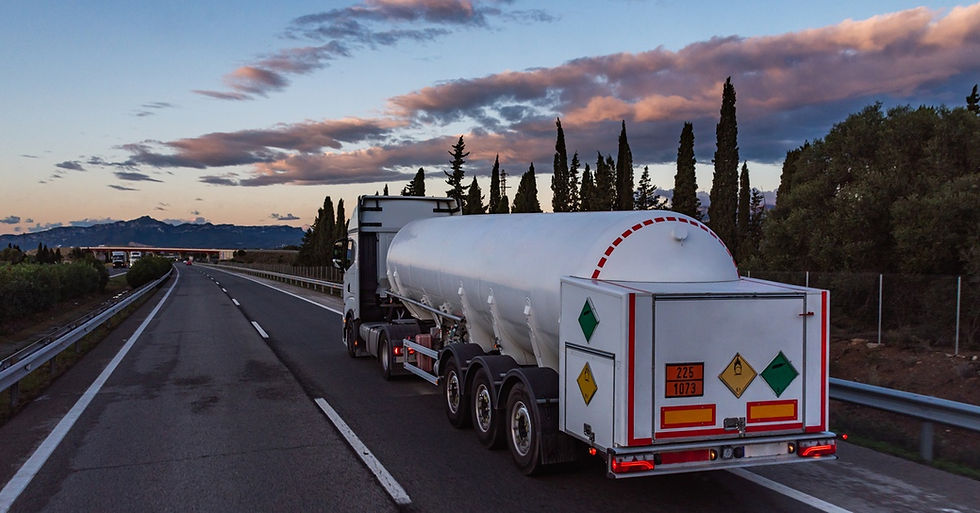
Once waste has been packaged and documented, it is ready for transport. Hazardous waste transportation requires specialized vehicles and trained personnel who understand how to handle dangerous materials.
Transport companies must follow strict Department of Transportation (DOT) regulations regarding vehicle safety, driver training, route planning, and emergency response procedures. These regulations help reduce the risk of accidents during transit.
Vehicles used for hazardous waste transport are designed to contain materials safely and prevent leaks or exposure. Drivers also receive training on spill response and hazard communication to ensure they can respond quickly if an issue arises.
Transporting hazardous waste safely requires careful coordination between waste generators, environmental consultants, and disposal facilities.
Waste Treatment and Processing
Hazardous waste rarely goes directly from a transport truck to final disposal. Instead, many materials undergo treatment or processing to reduce their toxicity or environmental impact.
Treatment methods depend on the type of waste involved. Some materials may be neutralized through chemical processes, while others may be stabilized, incinerated, or processed to remove harmful components.
These treatment steps help reduce environmental risks and ensure that waste can be disposed of safely. Treatment facilities use specialized equipment and controlled environments to handle hazardous materials responsibly.
Processing waste before disposal is an important step that helps minimize long-term environmental damage.
Final Disposal at Approved Facilities
After treatment, hazardous waste is transported to a licensed disposal facility for final handling. These facilities are specifically designed to contain hazardous materials safely and prevent environmental contamination.
Common disposal methods include secure hazardous waste landfills, high-temperature incineration, and specialized chemical treatment facilities. Each option is carefully regulated to ensure that harmful materials do not enter soil, water, or air systems.
Disposal facilities must meet strict engineering and monitoring standards. Environmental monitoring systems track potential leaks, emissions, or contamination risks to ensure long-term safety.
The final disposal stage completes the hazardous waste management cycle and ensures that dangerous materials are permanently contained or neutralized.

Why Professional Waste Transport Matters
Hazardous waste transport is a complex process that requires knowledge of environmental regulations, specialized equipment, and trained personnel. Businesses that attempt to handle hazardous waste without professional support can face serious consequences.
Improper handling or transport can lead to environmental damage, worker exposure, and significant legal penalties. Even small mistakes in labeling, packaging, or documentation can result in regulatory violations.
Hiring an experienced hazardous waste disposal company helps businesses avoid these risks by managing every stage of the disposal process. Their expertise ensures that hazardous materials are handled safely and in full compliance with regulations.
For organizations that generate hazardous waste, working with experienced specialists provides peace of mind and protects both people and the environment.
Protecting Businesses and the Environment
Hazardous waste transport plays a vital role in maintaining safe workplaces and protecting surrounding communities. Every stage of the process exists to minimize risk.
When hazardous waste is managed properly, businesses can continue operating without threatening environmental safety or regulatory compliance. Professional waste management teams help ensure that these materials are handled responsibly and efficiently.
As industries continue to produce hazardous materials, proper transport and disposal practices will remain essential. Following the correct procedures protects workers, communities, and ecosystems from unnecessary harm while ensuring that businesses meet their legal responsibilities.


Comments