
How Smoke Residue Impacts Commercial Equipment
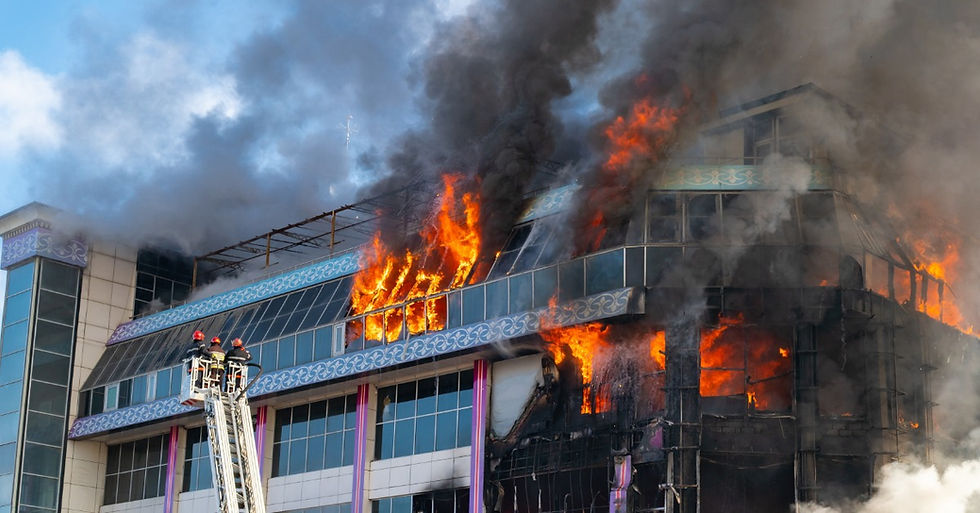
A fire can cause significant damage to a commercial facility, but the flames are often only part of the problem. Even after the fire is extinguished, smoke residue can continue affecting business operations long after the visible damage is addressed. Many companies focus on structural repairs and overlook the hidden impact smoke leaves behind on machinery, electronics, tools, and other critical equipment.
Understanding how smoke residue impacts commercial equipment is essential for businesses that want to minimize downtime, reduce replacement costs, and maintain safe operations. Smoke particles can spread throughout a facility within minutes, reaching areas that were never directly exposed to fire. Without proper remediation, these contaminants can lead to equipment failures, corrosion, and ongoing performance issues.
Understanding Smoke Residue
Smoke residue is made up of microscopic particles created when materials burn. The exact composition depends on what was involved in the fire. Plastics, chemicals, wood, paper, and synthetic materials each produce different types of residue, many of which contain corrosive compounds.
These particles settle on surfaces throughout a building, including equipment located far from the source of the fire. Because smoke particles are extremely small, they can penetrate vents, control panels, motors, and other enclosed components that are difficult to clean.
Unlike ordinary dust, smoke residue often contains acidic compounds that continue damaging surfaces over time. The longer these contaminants remain in place, the greater the risk of permanent equipment damage.
Corrosion Begins Almost Immediately
One of the most serious consequences of smoke exposure is corrosion. Smoke particles often contain acids and moisture-attracting compounds that can attack metal surfaces.
Commercial equipment relies heavily on metal components, including wiring, circuit boards, motors, bearings, and structural elements. Once smoke residue settles on these surfaces, corrosion can begin developing within hours. The process may not be immediately visible, but internal damage can continue progressing long after the fire event.
This issue is particularly concerning for manufacturing equipment, HVAC systems, electrical panels, and specialized machinery. Even small amounts of corrosion can affect performance, reduce efficiency, and shorten equipment lifespan.
Prompt cleaning and restoration are critical because delayed action often results in more extensive repairs or complete equipment replacement.

Electronic Systems Are Especially Vulnerable
Modern businesses depend on electronic equipment for daily operations. Computers, servers, communication systems, security equipment, and automated machinery are all highly susceptible to smoke contamination.
Smoke particles can enter electronic devices through cooling fans and ventilation openings. Once inside, residue settles on sensitive circuitry and electrical connections.
The contamination may cause intermittent failures, inaccurate readings, overheating, or complete system shutdowns. In some cases, equipment appears functional immediately after a fire but develops issues weeks or months later due to ongoing corrosion.
Electronic failures can create substantial operational disruptions. For businesses that rely on automated processes or digital infrastructure, even minor system interruptions can lead to significant financial losses.
Professional restoration specialists understand how to safely evaluate and clean sensitive electronics to prevent long-term damage.
HVAC Systems Can Spread Contamination
Heating, ventilation, and air conditioning systems often become both victims and carriers of smoke residue. During a fire, smoke can be drawn into ductwork and distributed throughout the building.
Once contaminants enter the HVAC system, they may settle on coils, filters, fans, and internal components. Residue can reduce airflow efficiency and increase strain on the system.
Even more concerning, contaminated HVAC systems may continue circulating smoke particles long after the fire is extinguished. This ongoing distribution can affect equipment in areas that initially appeared unaffected.
Professional inspection and cleaning of HVAC systems are essential after a fire. Restoring these systems helps improve indoor air quality while preventing additional contamination of valuable equipment.
Impact on Industrial and Manufacturing Operations
Industrial facilities often contain complex machinery that represents a significant financial investment. Smoke residue can create serious challenges for manufacturing operations by affecting precision equipment and production systems.
Many industrial machines depend on tight tolerances and sensitive controls. Even small amounts of contamination can interfere with calibration, measurement accuracy, and operational consistency.
Production delays caused by equipment malfunctions can have far-reaching consequences. Missed deadlines, reduced output, and increased maintenance expenses can impact profitability for months after the fire.
Businesses that conduct thorough inspections and remediation efforts are better positioned to restore operations quickly and avoid prolonged disruptions.

Hidden Damage Can Go Undetected
One of the most challenging aspects of smoke contamination is that damage is not always immediately visible. Equipment may appear clean on the surface while residue remains hidden inside components and assemblies.
This hidden contamination can continue causing deterioration over time. Businesses may mistakenly assume equipment survived the fire without damage, only to experience failures weeks later.
Professional restoration teams use specialized assessment techniques to identify contamination that standard visual inspections may miss. These evaluations help determine whether equipment can be restored safely or requires replacement.
Early detection often saves organizations substantial repair and replacement costs.
The Financial Cost of Delayed Cleanup
Many companies underestimate the financial impact of smoke residue. Delaying remediation can significantly increase restoration expenses.
As corrosion progresses and contaminants spread, equipment damage becomes more severe. What may have been a relatively straightforward cleaning process can evolve into major repairs or complete replacement of critical assets.
Beyond direct repair costs, businesses must consider operational downtime, lost productivity, missed revenue opportunities, and potential customer impacts. The cumulative financial burden often exceeds the cost of immediate remediation efforts.
Investing in prompt recovery services helps protect equipment and supports faster business continuity.
Why Professional Fire Damage Restoration Matters
Cleaning smoke residue from commercial equipment requires specialized knowledge, tools, and procedures. Standard cleaning methods may not remove contamination effectively and can sometimes worsen the damage.
Professional restoration teams evaluate the type of residue present, the equipment affected, and the level of contamination. They use industry-approved techniques to remove particles safely while minimizing additional risks.
For businesses recovering from a fire, commercial fire damage cleanup services play an important role in preserving valuable assets and restoring operations efficiently. Experienced professionals understand how to address both visible contamination and hidden residue that could threaten long-term equipment reliability.
Comprehensive restoration efforts help businesses reduce losses and return to normal operations more quickly.
Long-Term Business Protection
Understanding the effects of smoke contamination on commercial machinery and equipment helps organizations make informed decisions following a fire. Smoke residue is more than a cosmetic issue; it can compromise equipment performance, accelerate deterioration, and create significant operational challenges.
Businesses that respond quickly after a fire are more likely to protect their investments and avoid unnecessary replacement costs. Thorough inspections, professional cleaning, and ongoing monitoring can help ensure equipment remains safe and functional.
While structural repairs often receive the most attention after a fire, equipment restoration deserves equal consideration. Addressing smoke residue promptly protects critical assets, supports operational continuity, and helps businesses recover with greater confidence and efficiency.


Comments