
Understanding "Cradle to Grave" in Hazardous Waste Management
- Rocky Johnson
- Oct 11, 2025
- 4 min read


The concept of "cradle to grave" is a foundational principle in environmental regulations, particularly under the U.S. Resource Conservation and Recovery Act (RCRA) of 1976, enforced by the Environmental Protection Agency (EPA). It refers to the comprehensive oversight and responsibility for hazardous waste throughout its entire lifecycle—from the moment it is generated ("cradle") to its final treatment, storage, or disposal ("grave"). This approach ensures that hazardous materials, which could pose risks to human health and the environment if mishandled, are managed safely and in compliance with federal, state, and local laws.
To illustrate this, here's a curated blog-style post I’ve compiled based on reliable sources, explaining the concept in detail. Think of this as a practical guide for businesses navigating hazardous waste compliance.
Navigating Hazardous Waste: A Guide to "Cradle to Grave" Responsibility
In today's regulated world, generating hazardous waste isn't just a byproduct of doing business—it's a liability that demands meticulous attention. If your operations involve chemicals, manufacturing, healthcare, or any process producing materials like solvents, paints, or batteries, you're likely classified as a hazardous waste generator under EPA rules. Enter the "cradle to grave" system: a regulatory framework designed to track and control waste from creation to destruction. But what does it really mean, and why should every business care?
The Origins: RCRA and the Birth of Cradle to Grave
The Resource Conservation and Recovery Act (RCRA), enacted in 1976, empowered the EPA to create a "cradle to grave" tracking system for hazardous waste. Before RCRA, only about 10% of hazardous waste was managed according to its risk profile, leading to widespread environmental contamination. Today, this system holds generators accountable for the waste they produce, preventing "out of sight, out of mind" dumping that plagued mid-20th-century America.
At its core, "cradle to grave" spans the full lifecycle:
Generation: The "cradle," where waste is first created. Generators must identify if materials meet EPA criteria (e.g., ignitable, corrosive, reactive, or toxic) and classify them properly.
Transportation: Waste moves via licensed carriers using manifests—legal documents tracking every mile.
Treatment and Storage: Facilities treat (e.g., neutralize or incinerate) or store waste under strict standards to avoid releases.
Disposal: The "grave," where waste is permanently neutralized, often at permitted Treatment, Storage, and Disposal Facilities (TSDFs).
This chain of custody ensures no step is skipped, with generators retaining ultimate liability even after handing off to third parties.
Why It Matters for Your Business
Compliance isn't optional—violations can lead to fines up to $100,000 per day, cleanup costs, or criminal charges. But beyond penalties, cradle to grave promotes sustainability: it encourages waste minimization, recycling, and safer practices that cut costs and protect communities.
Consider a real-world example from the pharmaceutical industry: A company generates solvent waste during drug production. They profile it, label containers, and contract a hauler for transport to a TSDF. Throughout, they maintain records for audits. One labeling error could break the chain, leading to spills or fines—but a robust system prevents that.
Breaking Down the Responsibilities
Here's a quick table outlining key steps and who's accountable:
Stage | Key Actions | Primary Responsibility |
Generation | Identify, label, and accumulate waste | Generator (your business) |
Transportation | Use manifests; comply with DOT rules | Licensed transporter |
Treatment/Storage | Neutralize or store securely | Permitted facility |
Disposal | Final destruction or landfilling | TSDF operator |
Generators must oversee it all, documenting compliance to prove due diligence. States may add stricter rules, so always check local regs.
Tips for Seamless Compliance
Conduct Waste Audits: Regularly assess streams to minimize generation.
Partner with Experts: Use licensed services for profiling, hauling, and disposal.
Train Staff: EPA requires awareness training for handlers.
Go Digital: Modern tracking tools simplify manifests and reporting.
By embracing cradle to grave, businesses not only avoid risks but also build trust with stakeholders. It's not just regulation—it's a pathway to resilient, eco-friendly operations.
For more on RCRA, visit the EPA's guide here. Questions? Drop a comment below!
This post draws from EPA guidelines and industry best practices to demystify the process. If you'd like a deeper dive or customization, let me know.
Why Invert Environmental Services
Stands Out for All Businesses
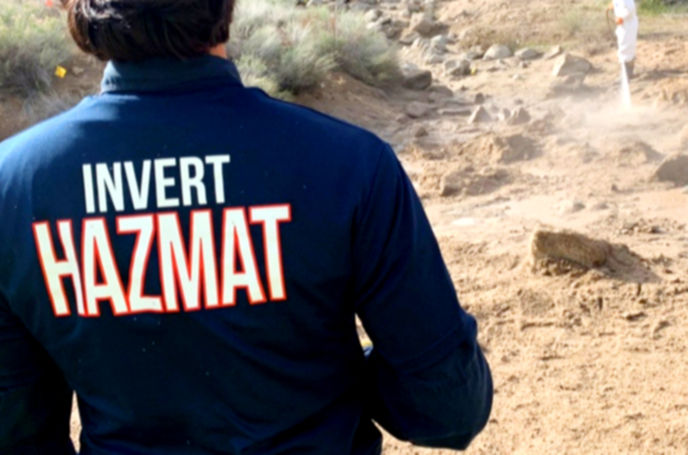
When it comes to executing cradle-to-grave hazardous waste management, not all providers are created equal. Invert Environmental Services, a family-owned and operated company founded in 1987, emerges as the premier choice for businesses of any size— from small labs to large manufacturers—seeking reliable, compliant, and personalized solutions. Based in San Bernardino, CA, and fully permitted, licensed, and insured across California, Arizona, and Nevada, Invert handles everything in-house ensuring direct control and accountability.
What sets Invert apart? They specialize in RCRA-compliant services, profiling your waste streams, generating necessary labels/manifests/placards, and transporting directly to TSDFs—covering the full cradle-to-grave spectrum seamlessly. Unlike larger corporations that may outsource or prioritize volume over detail, Invert's hands-on approach delivers professional, timely pickups with a focus on safety and efficiency, earning rave reviews for their knowledge and responsiveness. They offer no-obligation quotes, making it accessible for small-to-medium enterprises that value personal service without the bureaucracy.
For all businesses, Invert minimizes risks like non-compliance fines or environmental incidents while optimizing costs through expert waste minimization advice. Their track record of quick, effective disposals—handling everything from drums to bulk loads—makes them ideal for diverse industries, ensuring peace of mind in a high-stakes field. Ready to connect? Visit invertcorp.com for a free consultation.


Comments